

Lund University and its partners in the European University Alliance for Global Health (EUGLOH) have entered an exciting new phase. Following the European Commission’s decision to extend funding for the alliance through 2028, EUGLOH will continue to strengthen collaboration in education, research and innovation across Europe. The alliance is also set to welcome the University of Amsterdam as a new member from 2027, further broadening its academic reach and opportunities for students and staff.
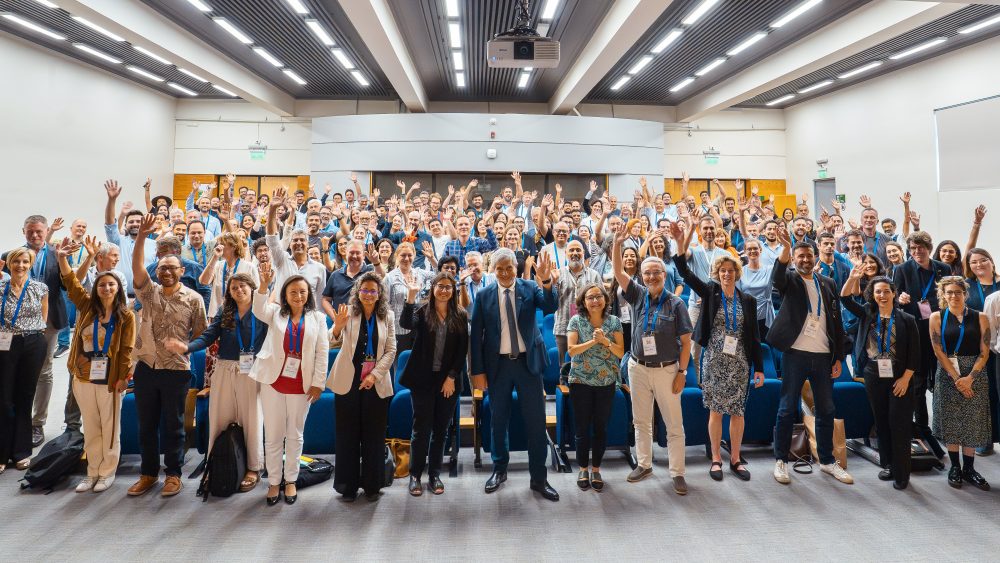
This momentum was clearly reflected at the 2026 EUGLOH Annual Summit, hosted by the University of Hamburg on 15-16 September. Bringing together more than 300 participants from 15 countries, the summit explored how universities can work with society and industry to advance global health innovation and create positive impact for more resilient communities.
The renewed funding marks an important milestone for the alliance and provides a strong platform for future collaboration. It will enable EUGLOH to continue developing opportunities for students, researchers, teachers and professional services staff while strengthening partnerships across Europe. The addition of the University of Amsterdam, a leading European university and long-standing partner of many EUGLOH institutions, further enhances the alliance’s expertise, networks and potential for collaboration.
Under the theme Science and the City: Exploring Pathways for Global Health Innovation, this year’s Annual Summit highlighted the importance of connecting science, society and industry to address complex global challenges. Through keynote talks, workshops and networking activities, participants explored how interdisciplinary collaboration, citizen engagement and transnational learning can contribute to healthier and more resilient societies.
Together, the renewed funding, the addition of a new member university and the success of the Annual Summit demonstrate the growing impact of EUGLOH as a European alliance. For Lund University and its partners, they represent an opportunity to deepen collaboration, expand opportunities for the university community and contribute to shaping the future of higher education in Europe.











Comments